

Chronic stress has a way of settling into the body. Muscles tighten, breathing constricts, and the whole system starts working harder than it should. Mindset tools can help, but long-term stress often needs a hands-on approach that speaks directly to the body.
As Bessel van der Kolk, author of The Body Keeps the Score, explains, the nervous system stores experiences physically. He includes body-based modalities like massage as essential tools for helping people reconnect with themselves and shift out of protective patterns.
Massage offers a direct, compassionate way to support that process.
The impact of chronic stress in the body
The stress response is meant to be temporary. But when pressure becomes constant, the fight-or-flight system stays active. This can lead to:
- Muscle guarding in the neck, jaw, shoulders, chest, hips and lower back
- Reduced heart rate variability (HRV)
- Elevated cortisol and adrenal strain
- Sleep disturbance and emotional fatigue
- Digestive issues and inflammation
- Shallow breathing and tension around the diaphragm
Over time, the body forgets what rest feels like. Recovery becomes harder. Irritation, overwhelm and body pain become the new normal. This is where nervous-system-based bodywork becomes essential.
How massage helps reduce the stress response
Research continues to show how strongly massage affects the body's stress response.
Studies from the University of Miami found that cortisol can drop by up to 20 to 30% after a single treatment, while serotonin and dopamine often rise. Heart rate variability also improves, signalling a more resilient nervous system. A review in the International Journal of Neuroscience reported consistent reductions in anxiety across age groups when massage was used regularly.
When your breath deepens, your muscles soften, or your mind becomes quieter during a treatment, it reflects these underlying shifts. The nervous system is reorganising itself, creating more space and steadiness, which is an essential part of recovering from chronic stress.
Deep Tissue Massage
Ideaal voor het loslaten van diepe spanning en chronische pijn. Ervaar hoe gerichte druk je spieren ontspant en je lichaam herstelt.
Meer info →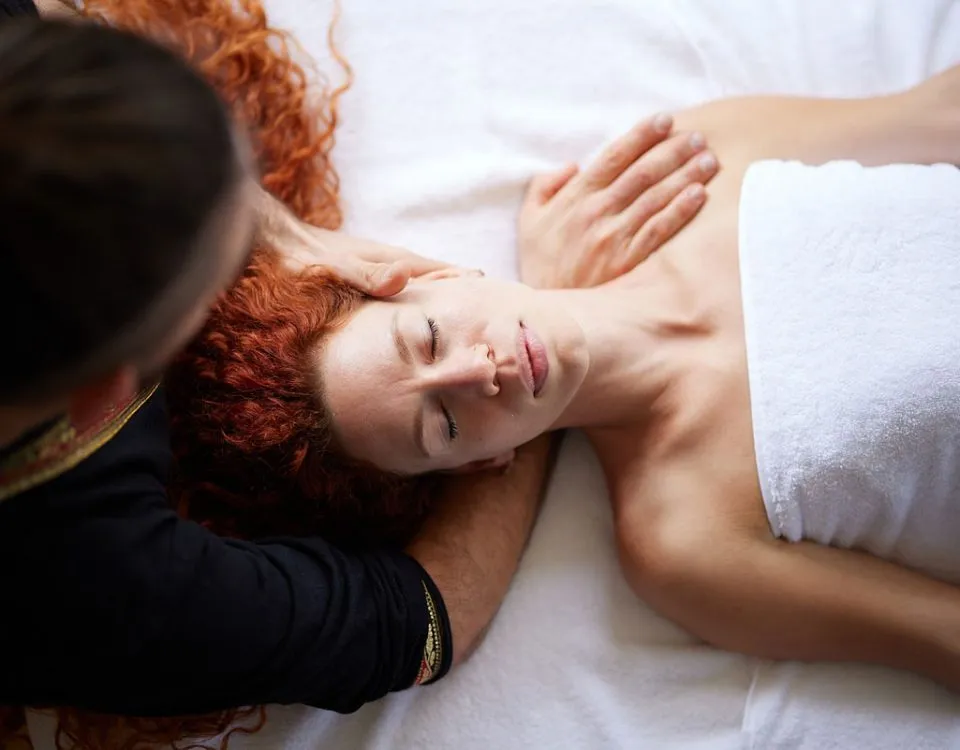
Why touch regulates the nervous system so deeply
Touch is one of the first forms of communication we learn, and the body never stops responding to it. Massage supports regulation because:
- Slow rhythm helps the system settle. Predictable, continuous movement has a stabilising effect on the amygdala, reducing vigilance.
- The vagus nerve responds to supportive pressure. This encourages the rest-and-digest response and softens the grip of tension patterns.
- The body lets go of protective bracing. Chronic stress creates a kind of physical armour. Skilled hands help the body release that armour gradually and safely.
- Interoception improves. Feeling sensations again, such as warmth, weight or stretch, helps you reconnect with your own body, which strengthens emotional regulation.
Massage sets the stage for deeper healing by giving the nervous system what it needs to restore balance.
Doe de quiz en ontdek jouw ideale behandeling
Effective massage techniques for chronic stress
Not all massages work the same way. These techniques tend to be especially regulating:
| Technique | How it helps |
|---|---|
| Lomi Lomi | Long, flowing, rhythmic strokes that feel like ocean waves and are deeply grounding |
| Deep Tissue and Trigger Point | Eases chronic muscle guarding, best used slowly and intentionally |
| Dynamic Thai Yoga and Wuo Tai | Gentle rocking and assisted movement send calming input to the vagus nerve |
| Myofascial Release | Slow, sustained pressure unwinds long-held restrictions in connective tissue |
| Shiatsu | Uses acupressure to bring the body into greater balance and calm |
| Sound Healing | Steady, calming vibrations support deeper relaxation and slower breathing |
Lomi Lomi
Long, flowing, rhythmic strokes that feel almost like ocean waves. Deeply grounding.
Deep Tissue and Trigger Point
Great for chronic muscle guarding. Best when used slowly and intentionally rather than aggressively.
Dynamic Thai Yoga and Wuo Tai
Gentle rocking and assisted movement send calming input to the vagus nerve.
Myofascial Release
Slow, sustained pressure helps unwind long-held restrictions in connective tissue.
Shiatsu
Uses acupressure to bring the body into greater balance and calm.
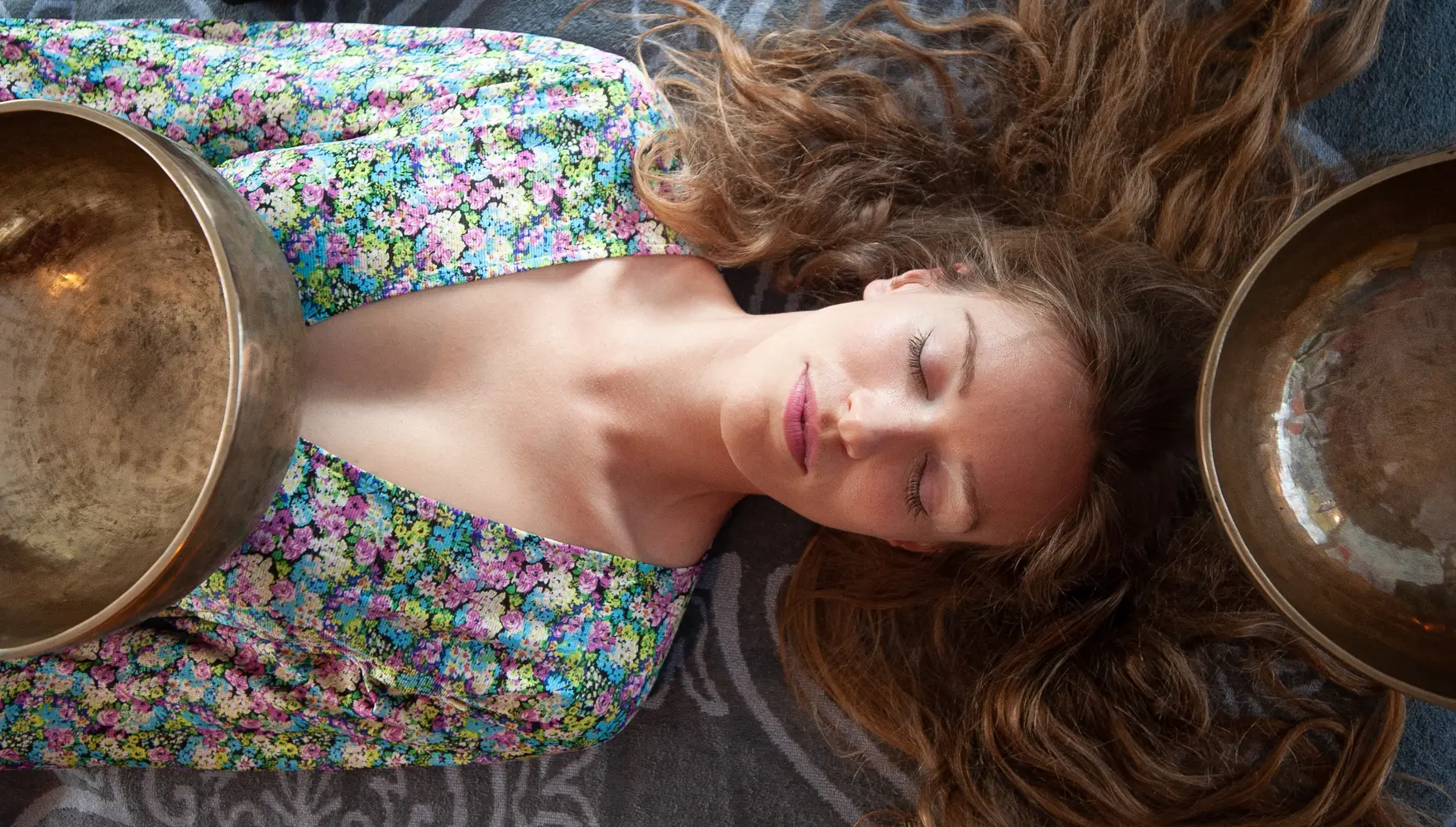
Sound Healing
Sound healing works by using steady, calming vibrations that help the body shift into a more regulated state. The nervous system responds to tone and resonance, and these gentle frequencies can support deeper relaxation, slower breathing and a quieter internal rhythm.
Returning the body to safety
Chronic stress doesn't mean you're doing something wrong. It usually shows up when the body has been carrying too much for too long. In that state, the system runs on survival energy even when the danger has passed.
With the right kind of support, the body can relearn how to settle, recharge and feel grounded again. Massage offers a direct way to help you come back to yourself through touch, breath, rhythm, and the simple reminder that your body is allowed to soften. The heart of this work is helping people feel safe in their own bodies again.